10 Reasons Why You Should Choose a Mastercraft Kitchen
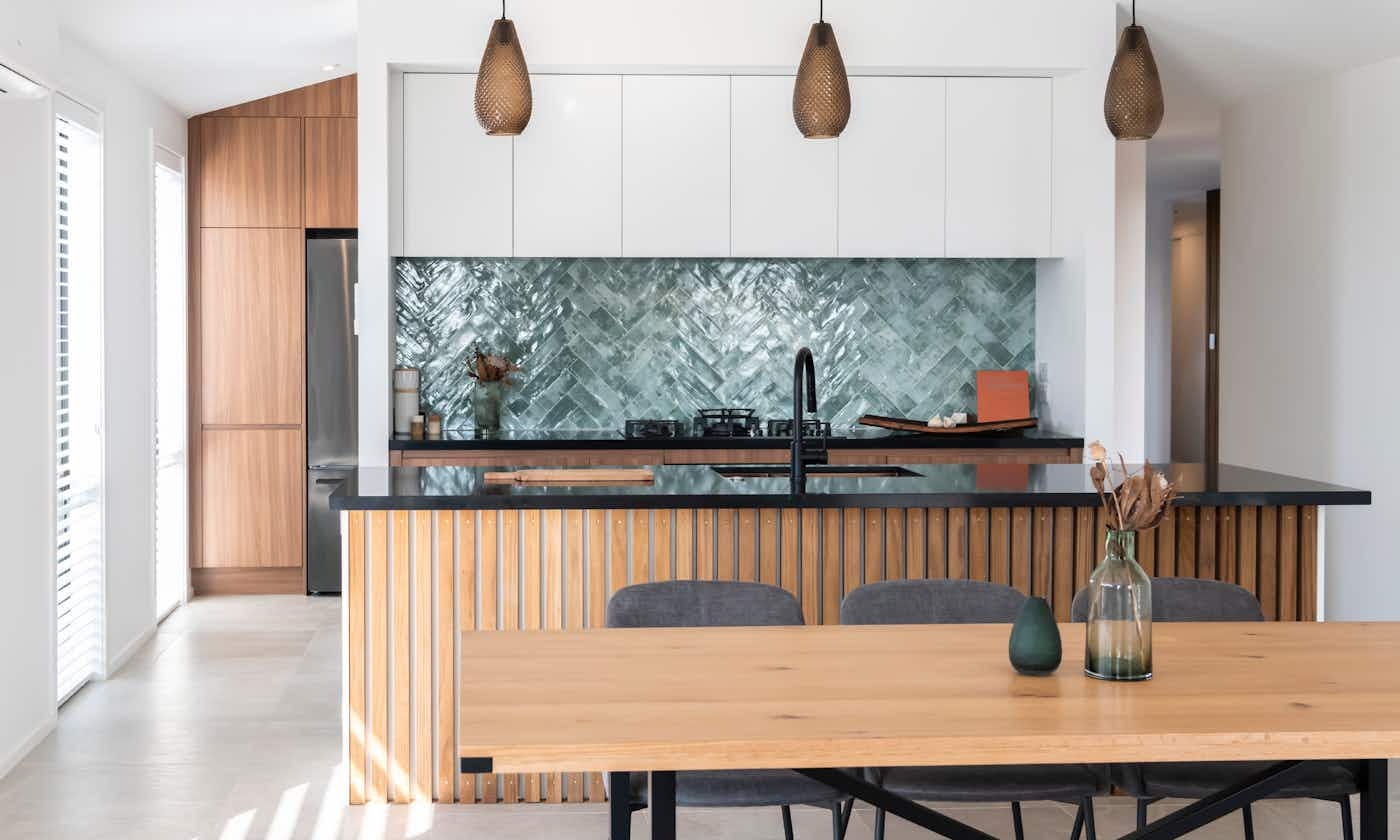
Signature Homes is proud to introduce our new national supply partner, Mastercraft Kitchens - New Zealand's largest network of locally owned and operated full-service kitchen specialists.
From small beginnings in 1986, Mastercraft has grown to be an industry leader and a trusted brand, nationwide. With many years experience designing, manufacturing, and installing custom cabinetry using the finest hardware and materials, Mastercraft have the ability to create the perfect kitchen environment for your Signature Home.
1. Your Full Service Kitchen SpecialistsMastercraft showrooms and workshops around the country provide a full service solution to all of your kitchen and cabinetry requirements. They offer modern showroom displays, extensive colour and material selections, award winning designers and in-house manufacture and installation.
2. New Zealand's Largest Kitchen NetworkMastercraft are NZ's largest network of locally owned and operated full service kitchen specialists. With size comes knowledge, experience and purchasing power.
3. Locally Designed, Manufactured & Installed Mastercraft's extensive operator network means, no matter where your Signature Home is located, they can provide design, manufacturing and installation services for your area.
4. Extensive Colour and Showroom DisplaysMastercraft locations feature showroom kitchens, an extensive range of colour and product samples, and a digital photo library of work completed.
5. Moisture Resistant Carcass Construction Materials In line with Mastercraft's reputation for quality, their workshops use approved moisture resistant board materials, as standard, in the construction of their cabinetry carcasses.
6. Award Winning DesignsThe Mastercraft Group has won multiple awards from the National Kitchen and Bathroom Association, and has also received many Master Joiners Awards over the years.
7. Exclusive Transferable (Between Owners) 10 Year Guarantee Mastercraft guarantees their products, manufactured in-house, to be free from defects arising from faulty workmanship for ten years from the date of installation. Terms and conditions apply and can be viewed online at www.mastercraft.co.nz
8. Future Proof Building – Professional MembershipAll Mastercraft products are designed and manufactured to meet the eight fundamental principles of Future Proofing your kitchen – security and automation, energy, efficiency, sound and quality control, health and safety, resource responsibility, space management and lifecycle costing. Mastercraft are committed to designing a kitchen that both suits the family's lifestyle and is an investment that will enhance the value of the home well into the future.
9. Moisture Resistant Coloured Construction Materials Mastercraft use approved moisture resistant colour board materials, as standard, in the construction of their drawers, doors and panels.
10. National Kitchen & Bathroom Association (NKBA) - Professional Membership Our Mastercraft locations are member's of the National Kitchen & Bathroom Association of New Zealand.
For kitchen design ideas and inspiration talk to Mastercraft today.
MORE
A brief introduction to colour and contrast in your home
Choosing a colour scheme that will really work for your home requires careful consideration, and it is easy to make mistakes. For that reason, many homeowners choose a neutral off-white colour scheme to be on the safe side. However, this 'safe' approach can often end in a flat result. For a livelier result, more contrast or a splash of colour is needed to add personality.
MORE
Building guarantees: it pays to take a closer look
Deciding which building guarantee will provide you with the best protection can be a difficult task, especially for those that may be unfamiliar with the residential building industry. However, it really does pay to have a closer look and see what is on offer. In the event that something does go wrong, the extra time spent ensuring you are well protected could be well worth the effort.
MORE
A Brick Veneer To Suit Any Design
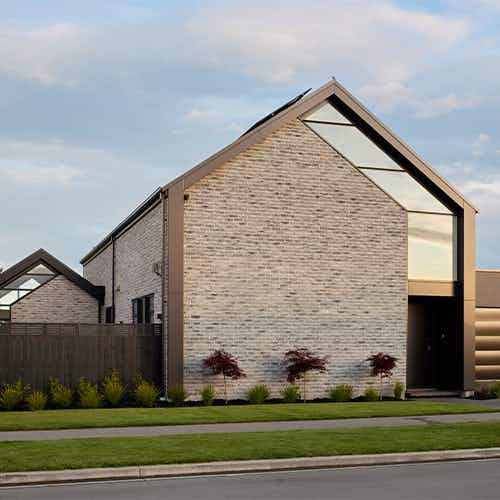
Firth's Brick Veneers are a range of highly attractive, low-maintenance products, which provide incredible durability and exceptional insulation. With a range of styles to choose from - including contemporary, natural look, heritage and split faced - there is a Firth Brick Veneer that will blend beautifully with your design.
Devonstone® creates a visually appealing home with the strength only concrete bricks can offer. It suits a smaller dwelling and keeps to scale with various finishes to personalise the home.
Focus® Bricks are the size of traditional bricks and have smooth, clean lines that are ideal to create a contemporary effect with a versatile range of colours to suit.
Manorstone® is a larger format concrete brick that resembles natural stone and is suitable for a larger home in both a rumbled and straight face finish.
Pioneer® Bricks combine modern manufacturing technology and old world charm, to create a unique 'softened' rumbled look in a range of contemporary colours.
Summit Stone® is a concrete brick with a rough-hewn face and bolstered edges giving them the look of natural, handcrafted split stone.
Please call 0800 800 576 for a free Firth brochure.
MORE
Weighing Up Your Options – A guide to making the right new home choice
Signature Homes have recently released a new brochure, Weighing Up Your Options - A guide to making the right new home choice. The brochure is an impartial look at the process of buying a new home, attempting to explain some of the key building concepts, and identify some of the traps that new home buyers can fall into.
The brochure covers the following topics:
Buying an existing home vs. building a new home
How to determine the difference between various builder offers
What you should know about kitset homes
What you need to know about new home design
Getting to know your builder
What sustainable features should be considered for you new home
What is a Design & Build home?
What is a Standard Plan home?
The benefits of paying a plan deposit
If you would like a copy of this brochure, please get in touch with your nearest Signature Homes franchise, or click on the 'Brochures' link at the top of this page.
MORE
Bathroom Vanities - Making Educated Choices
Personal design choice and product value will always remain an important aspect when designing your bathroom, however more and more factors are influencing New Zealander's when choosing products for their family homes.
Selecting sustainable products that will stand the test of time, look great and fit the budget is not always easy, but being educated on your choices helps you take a step in the right direction.
As a New Zealand owned and operated manufacturing company Clearlite are always looking for better ways to use technology, whilst ensuring that we do our best to consider the NZ environment and sustainability of the resources used in our products. Clearlite cabinets are proudly manufactured here in New Zealand from board produced in New Zealand.
Some of the key features are as follows;
Sustainable Plantation Wood
The wood fibre used in Clearlite vanities is sourced from sustainably managed forest plantations where each tree harvested to produce the board is replaced by the planting of another. Forest owners are audited for their sustainable practices and the forest absorbs carbon emissions from the atmosphere.
Quality Assured
New Zealand's board as used in Clearlite cabinets is regarded as the best in the world. For many years New Zealand has exported board to Japan which has exacting quality and environmental standards. These standards include leading the world in developing low emission board (low formaldehyde).
Durability
Clearlite colour finishes are extremely high quality; perfect for medium wear areas like bathrooms. Compared to wood veneer, and paint, they will resist bumps and knocks more readily and are more likely to maintain their as new finish over time as paints and lacquers tend to dull with ongoing exposure to UV.
Warranty
All Clearlite vanities carry a 5 year warranty.
For a free Clearlite brochure, please call 09 444 3780
MORE
Get Your Home. Your Way. using one of our pre-designed plans
At Signature Homes, the 'Your Home. Your Way' ethos does not only apply if you are building a home designed by us for you from scratch. When you choose a design from one of our collections, you are still able to customise the home to suit your lifestyle and taste.
Utilising one of our pre-designed plans is ideal when you are on a tight budget - the homes are already priced and ready to go, meaning you can get Your Home. Your Way. faster and easier with a much more precise idea right from the outset what the costs will be.
The homes on the left have exactly the same floorplan, but the roofline and claddings have been altered to achieve a different look.
You can rest assured knowing we have put a lot of thought into the layout of these plans to minimise build costs, while ensuring you and your family will enjoy your home for many years to come. For example, some of our plans have centralised plumbing to save the added costs in having extensive pipe networks installed. This can also save on ongoing electricity costs as your hot water won't need to flow over great distances throughout the home.
Once you have chosen a floorplan you like, you can then personalise the exterior of the home to suit your taste. On this page, we have given you an idea of the different exterior looks that can be achieved without having to go through a more involved design & build process.
Of course, because you know what you really want to achieve with your new home, we are happy to have you meet with one of our designers and make alterations to the plan to suit your individual requirements. Often this can be done without adding significantly to the base price.
Throughout, you will also have a dedicated New Home Consultant to guide you through each decision in the process by listening to your needs and desires and assisting you with their expertise. If you wish, you can also get specialist advice from one of our professional Colour Consultants, who will help you decide on the colours and finishings that will help to give the home your own flavour.
Visit a showroom near you to view our Pacific Collection
MORE
The Benefits of Brick
Over recent years, brick homes have made huge advances visually, due to a whole range of new bricklaying techniques and brick styles. But perhaps what some new home buyers do not also take into account are the more practical advantages that bricks have over other cladding systems. In this feature, we will look at some of these qualities, and we'll also have a look at some questions that are commonly asked by Monier Brick & Roofing clients.
MONIER BRICK QUALITIES
Sustainable & Healthy
Natural, recyclable and energy efficient, free of toxins.
Secure & Weathertight
The cavity system of brick veneer allows for airflow and helps control moisture in the home.
Temperature Control - Saving You Money
With proper design, your home will be warmer in winter, and cooler in summer, saving money on heating and cooling.
Low Maintenance
Enduring colour so no need to paint
Design Flexibility
Whatever the design or colour trend, there's a brick to suit your individual needs
Durable
Non-combustible and they won't decay or rot
Acoustic Insulation
Reduces noise and let's you enjoy a quiet haven
Cost Effective
Less upfront costs and virtually no ongoing costs. A brick and tile home is a sensible investment.
MONIER BRICK FAQ'S
What size is a standard brick?
The most common size is called a 'traditional brick' which is defined as being 230 x 76 x 70 mm (L x H x W). However this is a nominal size and the size of actual units will slightly vary from this. The standard sets out a series of allowable deviations. Generally bricks are measured over 20 units and the size averaged.
What is efflorescence?
Efflorescence is a white, salty powder that appears on the surface of bricks or pavers. Most efflorescence comes from salts in cement and mortar and it is common in new brickwork that is still drying. Efflorescence is harmless and will usually weather away. Dry brushing will assist, although it may return if the salt source is still active.
What is 'Thermal Lag'?
Thermal lag is the delay in the transmission of heat through a wall. This is caused by the ability of the walling material to slowly absorb and release the heat energy. Only heavyweight materials such as brick offer this property, which is very different to insulation. Brickwork combined with energy efficient design factors such as orientation and shading will greatly assist in reducing heating and cooling bills.
How should new brickwork be cleaned?
Ideally brickwork should be cleaned as it is laid. This is the simplest, cheapest and most effective method. Mortar smears should be cleaned as soon as possible using a scrubbing brush, running water and a sponge. Acid cleaning is only required if the mortar smears are allowed to harden and should be viewed as a last resort.
How are bricks made?
Bricks are made from clay, shale and selected minerals that are formed into the brick shape and fired (cooked) in a kiln at temperatures up to 1200°C. These natural ingredients and the high firing ensure a brick that will not lose its colour and make it an extremely durable building material.
Are today's bricks as good as they used to be?
Modern bricks are made from the same basic ingredients as those of the past and fired in a high temperature kiln to lock in their colour and strength. However the technology of brickmaking has evolved greatly, even in the past 20 years. Today's bricks are stronger than ever and come in a wider range of colours and textures.
What is the 'Face' of a brick?
The brick face is the long side intended for display in the wall. Most bricks have only one face and it is the bricklayer's responsibility to ensure it is displayed correctly.
Can bricks be reused?
Bricks are one of the few products that can be reused with all their original qualities intact. However, there are circumstances where a brick may not be reused, for example, a brick that was taken from an external wall may not be suitable for use in a saline environment.
Are bricks environmentally responsible?
Definitely! All manufactured products have some environmental cost and for bricks most of that occurs in manufacturing. However, after they have been manufactured, bricks do not require coatings or finishes such as paint to maintain their colour or durability over an extraordinarily long life making them very environmentally responsible! Clay brickwork and concrete floors have relatively high thermal mass which reduces the need for artificial heating and cooling. This means less energy used which is important to the environment.
MORE
Sustainability vs. Affordability - Sustainable Features That Make Good Financial Sense
Although sustainable/eco-friendly features and products can be expensive, they are now coming very much into the mainstream where new homes are concerned, and there are some very good reasons for this:
Resale value. With government eco-rating tools currently being implemented, a home's resale value is going to be affected more and more by its eco-rating.
Some features, such as extra insulation and passive solar design, need to be considered before a home is built, rather than retrospectively.
Many sustainable features can actually save you money in the long run, and some can provide significant health benefits, for example:
click images to enlarge them
Solar power. Reduces energy consumption. Photovoltaic systems even allow extra electricity to be sold back to the grid.
Solar, gas, wetback and heat pump hot water heating systems reduce energy consumption and reduce your power bills.
Energy-efficient lighting and appliances reduce energy consumption and reduce your power bills.
Micro CHP's (Combined Heat & Power) generate hot water and electricity at the same time, making them a highly energy-efficient addition to the home.
Home ventilation systems re-distribute dry, warm air from the cavity above your ceiling, reducing energy consumption, and providing a warmer, healthier environment.
Heat pumps, under-floor heating and radiators are energy-efficient heating systems which provide a warmer, healthier environment and reduce your power bills.
Rainwater harvesting recycles water which falls onto your roof. Reduces water bills. Can be re-used for toilets and washing machines and allows you to water your garden when water restrictions apply.
Passive solar design provides more opportunity for the sun to heat your home, and can even reduce its impact, depending on the season. It mainly concerns the positioning of your home, its walls and windows, and the length of the eaves (or roof overhang). Features like concrete walls and floor tiles when strategically placed in sunlit areas of your home's interior can also help heat your home.
Greywater Recycling - Greywater is wastewater generated from domestic activities such as laundry, dishwashing, and bathing, which can be recycled on-site for uses such as landscape irrigation.
MORE
Bench Top Mania
For most families, the kitchen is very much the hub of the home, with New Zealand home owners typically spending between up to 15% of the total value of their new homes on the kitchen. Besides the layout of the kitchen, there are many choices to be made, from various cabinet colours to splash-backs, appliances, handles, taps, sinks and of course bench tops.
This gallery features images of bench tops in Signature Homes around the country
NATURAL STONE
Near the top end we find natural stone. The prices vary widely throughout the range, with the rarer stones being more expensive than the readily available ones. The most popular stone choices are granite and marble and both come in a wide range of colours and finishes. Granite is 100% natural and quarried from all over the world. It comes in a wide range of colours depending on its chemistry and mineralogy. If you are looking for a deep black bench top, Absolute Black would be your choice.
Marble is also 100% natural, the colours are many and varied, and it is recognisable by dark 'veins' running through the surface. Most recently Basalt has made its entrance from the European markets, where the natural look of honed (unpolished) bench tops in combination with wooden cabinetry is very polular. Basalt is exceptionally hard, however it does require sealing.
Pro's:
Your bench top will be a timeless asset, and will more than likely outlast anything else in your kitchen. Because it's 100% natural, your bench top will be one of a kind, with no repeat in pattern. It also resists heat well.
Con's:
Because stone is porous, it requires more care than any other bench top. You will have to regularly maintain your bench with PH neutral products, such as natural stone sealers, cleaners and stain removers in order to maintain its pristine looks.
ENGINEERED STONE, QUARTZ AND MARBLE
Otherwise referred to as Engineered Stone, this is a man-made surface produced with approximately 95% Quartz and 5% resin. It is long lasting, high impact proof and more consistent in patterning when compared with granite. Quartz is a particularly popular choice for those seeking white or light coloured surfaces.
Pro's:
Extremely hard-wearing and generally scratch resistant, Quartz is the third hardest stone in the world, and withstands heat well.
ACRYLIC
Acrylic is available as either 100% commercial grade, anti-bacterial acrylic or modified acrylic, and looks like natural stone. It is completely non-porous, stain resistant, smooth and has invisible joins making it completely seamless no matter what the shape. This can be particularly beneficial for long islands in a domestic setting. The design versatility allows a variety of customised options including heat rails, drainage channels, decorative edges and inlays.
Pro's:
Ideal for a large or unusually shaped bench. Stain resistant.
Con's:
Acrylic is not scratch-resistant, however it is more easily repairable than stone and can be repaired by the homeowner.
LAMINATE
Laminate is the most traditional and common of all bench tops. It comes in a variety of finishes to suit the decor and is an economical alternative. Laminate is made up of several layers that have been pressed together; it does not have the durability of stone, but it is highly versatile in that it is available in a wide range of colours, finishes and textures.
Pro's:
Low cost, extensive range of colours and surfaces. Can be formed to a wide range of profiles.
Con's:
Slight chance of scratching. Difficult to repair. Cannot take direct heat e.g. pots.
CONCRETE
Concrete bench tops can be pre-cast in a mould or cast on site and are available in a variety of colours. Concrete can be polished or ground to expose the aggregate. For a natural or rustic look, there is a trowel finish or a smooth mold finish. Other options available are acid-washing or decorative staining.
Pro's:
You can create your personal touch by adding different aggregates and shells, nails or other decorative objects can be added to the concrete or worked into the top layer.
Con's:
It needs to be sealed in order to resist stains and water damage, and concrete bench tops can develop hairline cracks. If the concrete does crack, it tends to be non-structural and a result from the natural shrinkage of the concrete. Hairline cracks or minor imperfections help make each bench top unique and are part of the appeal and character of the bench top.
STAINLESS STEEL
Fabulous, functional and timeless, stainless steel bench tops need no introduction. There are a variety of finishes available for stainless steel, with the most economical being the classic polish. While satin finish bench top will show marks very easily, linen and checker tops will show scratches less than a non-textured top.
Pro's:
The sink will be integrated into the bench top, so there is no need to replace any seals, and little other maintenance needs performing.
Con's:
Depending on the choice of finish it can show scratches easily.
WOOD
No other surface offers the elegance, style and practicality of a solid timber bench top. You can either leave the edge in its natural curve or choose another edge. A single plank of wood can be prone to movement (warping) with climate change. The best option is to use an engineered slab, made of many lengths of carefully prepared timber that are glued together under pressure.
You can choose from deeper, coloured timbers such as Macrocarpa, Kwila, Jarrah, Rimu or use one of the lighter European trees such as Beech, Pine, Oak etc. Durability depends on the finish, which can either be oil or lacquer.
Pro's:
If you have a modern or classic interior, wood creates a warm look.
Con's:
Wood is a soft product and will dent and scratch easily, however it is easy to repair by sanding and revarnishing the surface. The bench will also need regular treatment to repel water.
MORE
How to go about building your dream home
If you ask anybody "What would you do if you won lotto?", the answer will most likely be "Build my dream home!", but how do you actually go about building your dream home? In this article we explore the basics of building your dream home, even on a modest budget.
Choosing a Section
The first step is finding the right location. Would you like to live life in the city, suburbs or the countryside? Close to the beach, a reserve, schools, shops or a family member? You could have a look at new subdivision developments in your region, or maybe you'd prefer to live in an established neighbourhood; this could be a section that has been divided into two titles, or a section with an old existing home that can be knocked down or removed.
Signature Homes can assist you with all of these options. Alternatively, you can have a look at the 'House & Land Packages' page on our website, which will show you some of the options available in your region.
The Floorplan
Once you've found the right section, the next stage is making sure that your home will accommodate your lifestyle, and bring the best out of your section.
One of the first design considerations will be the position of north, and how the new home should be situated ed to maximise your enjoyment of the sun. Any potential views should also be considered, as a a view will not only enhance your enjoyment of your new home, it will increase it's resale value when the time comes to sell.
Beside bedrooms, bathrooms, living areas, garage and parking spaces you might want to think outside the square and add a wine cellar, or a butler's pantry in the kitchen with a second sink. Or what about an exterior fireplace and kitchen bench to clean your fresh-caught fish?
You might require some extra storage space and would like an extra storage room or linen cupboard, or perhaps a wardrobe in your formal entry.
At Signature Homes, we have literally hundreds of designs you can choose or adapt from, or we can design and build you what we call a custom home to specifically suit your section, nothing is set in stone.
The Exterior
To most, this is one of the more important decisions to make, as it is the first impression that often counts. It's important to take the surroundings into consideration when choosing the exterior cladding, colours and materials. Aspects such as cost, maintenance and the expected lifespan of the products are also important considerations.
There are many material and colour options available, varying from brick, weatherboard, cedar, timber and plaster panels, plaster and masonry for wall finishes. Metal, tiles, asphalt and shingles are the most common roof options, and there are a variety of joinery options to choose from.
Fit-out
You might like to think about collecting pictures of homes and interiors from magazines, or take photos of homes you like the look of while on holiday. This is a great starting point to document what you are after, and having these resources available will be really handy when the time comes to explain your wishes to your designer or New Home Consultant.
We all know that fashions change, and often our personal tastes change with them, so needless to say, fit-out decisions need to made with care. It is a good idea when building and fitting out your dream home to be a little more conservative with your hard fit-out items as these will be in the home for a very long time. Leave the bolder fashion statements for the soft furnishings like the wall and floor coverings, and curtains and furniture.
Building a new home, especially for the first time, can seem like a daunting task, but it doesn't have to be. At Signature Homes we aim to make the experience as stress-free as possible by having a team of experienced specialists working along side you on your project, a team that will keep you informed and involve you every step of the way.
MORE
9 Ways To Maximise Your New Home's Street Appeal
In this feature, we look at some of the aspects and products you may wish to consider to ensure the street appeal of your new home. If you wish to discuss any of these in more depth, please get in touch with your local Signature Homes Franchise Builder.
1. Use a Professional Colour Consultant:
A trained Colour Consultant can make a huge difference to the street appeal of your home, and choosing colours that will work well on a home is not an undertaking to be taken lightly. Colour Consultants generally have a highly-tuned sense of colour, and an extensive knowledge of how colours can compliment each other to the best effect. They also tend to have experience with many different building materials, and therefore have an understanding of which colours work well on the various cladding surfaces that are common in New Zealand. Colour Consultants are not only aware of the latest colour trends, but can also work with you to achieve a successful result if you prefer the look and feel of homes from another era.
2. Create a Landscape Plan:
Even if you are on a tight budget, and you can't afford landscaping at the time you move in, draw up a landscape plan yourself, or consider asking for professional advice. The placement of suitable plants, trees and shrubs can make a significant difference to the desirability of your new home. You may also wish to have excavated material from your build placed elsewhere on your section to create gardens, or for screening and privacy purposes.
3. Lighting:
The right exterior lighting can also make a difference to the appeal of your home, and this is not only at night; some exterior light fittings have a visual appeal all of their own.
4. Boxed Corners & Facings:
If you are wanting weatherboards on your new home, you may wish to consider the addition of boxed corners and facings to give it the look of an authentic colonial dwelling. Prior to aluminium joinery, timber window joinery had a much thicker profile. To many, this achieved a superior look compared to the thin profile provided by aluminium joinery. In colonial times, the external corners of a weatherboarded home also often had a vertical strip of timber called a boxed corner. In many cases the boxed corners and facings were painted a different colour, creating a contrast that is appealing to the eye.
5. Decorative Features:
If you are after a colonial look, consider placing decorative features around the roof overhang on veranda's, or at the apex of the gable roof; this can be a very cost-effective way of giving your new home real character.
6. Coloured Mortar:
Some view bricks as fairly bland and uninteresting. However in terms of their long-life performance, their ability to keep a home warm in winter and cool in summer, and their value for money, they're certainly hard to beat. If you are using bricks, one thing you may wish to consider in order to give your home some individuality is coloured mortar. In fact, the mortar that holds your bricks together can be tinted a myriad of colours – see your local Signature Homes franchise to view the options available.
7. Stack-Bonded Bricks:
Another trend in recent times which has given the brick a new lease of life is stack-bonding, where bricks are placed directly above each other vertically rather than in the traditional interlocking pattern. This method is can be used not only for bricks, but also for blocks.
8. Tinted Windows
You may wish to consider the use of tinted windows, which provide a number of potential benefits. In terms of aesthetics, tinted windows give the home a stealthy, modern feel. They also help to keep the home warm in winter and cool in summer, and can protect your furnishings where this is desired. They provide privacy, and can eliminate the need for curtains and/or blinds where they are not wanted.
9. Schist/Stone Details:
Even minor schist/stone detailing can add a lot of personality to your home, and there are more affordable alternatives available if authentic schist and/or stones are out of your price range.
MORE
What's Your Flavour?
When you've chosen to build new over buying existing, one of the main reasons was likely to be that you wanted to have the freedom to build Your Home. Your Way. and give it the look and feel that makes it feel like 'home' to you. Some people have a clear idea what they want from their new home and what products they want the builder to use to achieve this, from doorknob to doormat… they know what they want. Some of you might not be so confident – don't worry, you're not alone.
This is where Signature's design team come into the picture, they can help you make an informed decision on all products available and what will suit your budget and lifestyle. Before you visit a designer it is a good idea to have a list of requirements for your new home. We have outlined some popular styles for you below.
Modern/Contemporary
A popular style with our clients is Modern/Contemporary, showcasing plastered exteriors with Linea weatherboard, concrete block or schist detailing. Inside, the finishes are sleek and smooth; often featuring shiny surfaces utilising glass and stainless steel. The colour range is 'neutral' white, black, warm greys with a bright accessory colour such as red. Signature's Linea and Masonry Collections demonstrate this style.
Shabby Chiq
Giving a nod to our colonial roots, we have the villa/cottage style. Many people choose to restore old villas and like the characteristics these early New Zealand homes have. However, we now also build many new homes that are inspired by this look, constructed with the latest materials to create a sustainable and comfortable 21st century home. Villas can be clad in brick or Linea weatherboard.
When it comes to decorating, 'Shabby Chic' has been the trend. 'Shabby Chic' predominantly consists of (whitewash) timber flooring and Baroc furniture painted white, porcelain finishes, wrought iron details and country-style fabrics. It is a romantic way of decorating with many accessories, such as candles, flowers and photo frames. The clawfoot bath is back in fashion and you can even finish your bathroom wall with white 'subway' tiles. You'll feel like you've gone back in time! White is the base colour for 'Shabby Chic', but you can add favourite colours to give it your own flavour.
Colours of the World
We have a huge range of nationalities here in New Zealand and we embrace the variety of foods they bring to our country. But it doesn't stop there. We see more homes being built inspired by overseas architecture.
An example of this is our Tuscany Collection. The homes in this collection have an Italian Jacket, with white or cream plastered exterior walls, red tiled roofs, tall square chimneys, stately columns, wrought iron balustrades and french doors. At Signature Homes, we can accommodate any request; from a Japanese themed black and white bathroom to a colourful Mexican – styled kitchen.
In with the old
Maybe you like a blast from the past and are more the vintage/retro type. It might be the Art Deco 20's that inspire you, with the amazing lily designs and stained glass. Or the Rock n' Roll 50's, with big designers such as Arne Jacobsen (designer of the 'Egg' chair) or the Eames couple ('Eames' chair). Maybe you favour the current trend, with the return of the 70's reviving shagpile carpet, mosaic tiles and flower wallpaper. This trend is sometimes mixed with the Kiwiana Style of decorating, where old kiwi icons such as the '4 Square' man have been brought back into our interiors on accessories such as tea towels.
MORE
Signature Homes build NZ's first Green Star rated Kura Kaupapa
Signature Homes have recently completed an exciting project at Matauri Bay in the Far North of New Zealand – the establishment of a brand educational facility (Kura Kaupapa) for the Maori children of the area.
The school, which took over a decade to come to fruition, was opened on the 5th of May, in the presence of over 1400 people including other Kura Kaupapa from all over New Zealand, a number of key Ministry of Education staff and representatives from Signature Homes Ltd., CEO Phillip Howe and manager of the project Richard Keuning.
The day was the culmination of a lot of hard work and a very proud and emotional moment for all those associated with the project.
The school is an environmentally sustainable design project, which has now been given 5-Star certification by the Green Building Council of New Zealand - the first Kura Kaupapa to receive this rating. A few examples of the green features which have been implemented are:
Solar power
Smart lighting (this turns itself off when not in use)
Low emission, eco-friendly paints and floor coverings
Reduced use of PVC
Eco friendly glare control i.e. blinds
Edible gardens and extensive use of native trees and shrubs
During the project, Signature Homes ensured that the key stakeholders had much input into the layout and materials used in the construction of the school, and a lot of thought went into how the design would eventually fit in with the local environment and community, and how it could best serve its purpose of providing its students with not only a world class education, but a solid grounding in their Maori language and culture.
MORE
Pre-Designed vs. Design & Build
If you have decided to contract a new home builder to build your new home, the next decision you will need to make is whether to use, or amend, a pre-designed plan (or builder's plan), or have your home designed from scratch (Design & Build).
Many building companies use one method or the other, although some companies actually specialise in one method, but claim that they do both. There are advantages to both methods, but your circumstances and requirements will largely dictate which is the most suitable option for you.
Below, we look at the main characteristics of both methods.
Design & Build
Typically, a Design & Build approach is used where one of, or a combination of, the following situations apply:
The client has a clear idea of what they want, and a standard plan won't necessarily achieve the desired outcome
The site is steep, and/or has an irregular shape, and/or has access issues
The client desires a more 'architectural' or individual plan and look
Pre-Designed Plan
Pre-priced – Typically, pre-designed plans are pre-priced to a large degree, and therefore the price impact of changes and amendments to the plan can be more easily understood early on in the process
Cost-Effective – pre-designed plans are often designed with efficiencies and cost-effectiveness in mind
Time Saving – As the floor plan is already in place along with the general specification (i.e. the materials and techniques that will be used to construct the home), a building proposal can be put together in a shorter period of time, and in many cases the time taken to build the home will be shorter
Flexibility – Alterations and changes can still be made to the home to suit individual requirements
Interior Colours, Fixtures and Fittings – The client can select these to suit their own tastes
What You See Is What You Get – The client will have a good idea what the home will look like early on in the process as the plans are already developed, and often concepts have been created, which give an impression of what the final home will look like
To receive a copy of our new brochure Weighing Up Your Options - a guide to choosing the right new home option, click on 'Brochures' at the top of this page.
MORE
Knock Down & Rebuild - Clearing the way for your dream home
Young couple Jeong Seol and his wife Dohee recently engaged the services of the Signature Homes 'Knock Down & Rebuild' team to remove a 1950's home on a 670m2 section in Takapuna, replacing it with an innovative family home for their two children.
The existing house, although well built, was poorly designed and positioned, with some of the rooms not seeing the sun all day and very little indoor-outdoor flow. The section had a prime location close to the beach in an exclusive neighbourhood; the Seol's obviously taking note of the old proverb "buy the poorest house on the best street". The section lent itself perfectly to a modern 2-storey design featuring a capacious deck with sea views.
The couple were determined to maximise the living areas on the site, but weren't about to skimp on the details that mattered; specifying extra-tall 2.7m studs for both the ground and first floor, a top end kitchen and a fully equipped media room. Jeong certainly considered every aspect of the build, from the modern light fittings to the stand-out bathroom tiles, louvers and landscaping.
From the street, the house is framed by two protected Pohutukawa trees and is tucked behind a secure gate. The garden is fully landscaped with a mix of palms, cabbage trees, flaxes and grasses. Architectural Designer Wendy King of Signature Homes North Shore created a welcoming boomerang shape to the house, to lessen the impact of the three-car garage and draw visitors to the spectacular red gloss door.
The generous double-height entrance hall directs visitors into either the formal living and dining or the kitchen and casual living areas. The other wing off the entry lobby houses a generous bedroom (with ensuite) and a fully equipped study room. Jeong specified glass sliding doors in every ground floor room. The benefits of this are 3 fold; letting light through, maximising the indoor-outdoor flow to the two patios and backyard while also creating internal spaces that can be separated from each other if necessary.
The formal living room houses a fireplace surrounded by built-in display shelves, which feature memorabilia and other artefacts from Jeong and Dohee's Korean homeland.
The high-end kitchen, designed by Kitchen Magic, has no less than three pantries and a large island bench, with attractive Terrazzo-style surfaces to accommodate a crowd. The bamboo floor runs throughout the different wings of the ground floor, with the pale grain helping to create a serene atmosphere.
Although this particular build was filled with challenges, including a significantly longer wait on Resource Consent than normal due to the positioning of the property's existing Pohutukawa trees – the Seol's really enjoyed the process and the learnings along the way. In fact, they enjoyed it so much they are going to do it all over again, and have already begun planning their next project.
Like to find out more?
Request a KD+R brochure here.
Whether you're ready to get started, or you'd just like to know more, we'll be happy to explain the Knock Down & Rebuild service to you in more detail.
To arrange your free consultation please click on 'contact us' at the top of this page,
or call 0800 SIGNATURE
MORE
10 Ways to Accessorise Your Home
Accessories set the tone for the room, they portrait your style and your personality and give your home a polished look. In this feature we look at a number of different methods of accessorising your home.
By Lemke Wapstra – Signature Homes Interior Design Consultant 1. Start with a blank canvas.Store all your smaller current accessories away and have a fresh look through your rooms. You will be amazed how different your home looks just by removing the clutter. Live with it like this for a couple of days, as you might get inspired.
2. Choose a themeLook at your existing choices of furniture, floor and wall coverings. Choose a theme that will complement these and follow through. A theme could be inspired by one of the folllowing:
Decades: 50's, 60's, 70's etc.
Continent: Mediterranean, Asia-Pacific, Africa
Style: Country, Classic, Modern.
Besides choosing a style you can also create a matching color concept. If you suspect that you are easily tempted to buy other items when shopping for accessories, create a mood board or sample bag. This is where you hold a collection of sample colours and inspirational images. When you go shopping refer back to your samples, and you can never go wrong.
3. Define your roomAfter living with your 'blank canvas' for a couple of days, define the areas that are in need of accessories, then create your shopping list. Remember less is more, you can always add to your collection. You might even be able to place some of your current pieces back.
Now and then stand at the back of the room, as if you are a painter and look in to see what first impression you get from the space. If it seems to cluttered be prepared to move items out or to a different room.
4. Functional decorationsFunctional decorations are practical every day items that you would like to have out on display. Think about kitchen utilities, china, key-racks, pin or chalk boards, funky rubbish bins, coasters, magazine racks, mirrors, lamps and so on.
Start with these items first. Then move on to the decorative pieces for open gaps. Functional decorating we see mostly in informal settings.
5. Decorative accessoriesDecorative accessories are the non-functional items. Think photos, art, candles, vases, statues and other pieces. These are secondary to the functional decorations.
6. Informal decoratingAn Informal style is more about functionality and comfort. Think about your family room, kitchen and bedrooms. Spaces decorated in an informal style are balanced with everyday use. Here we see asymmetrical arrangements of both furniture and decorations. Use odd number groupings in the likes of one, three or five. Place accessories within an imaginary triangle, to add interest arrange them in height from high, to medium, to low.
7. Formal decoratingFormal decorating is a classic way of decorating your home, and is generally used to portrait status. One of the most common characteristics of homes decorated in a formal style is the symmetry of windows, furniture, artwork, and flooring. The elements are most often arranged in exact pairs and on a straight axis around the room where a central focal point draws the eye. This might be a fireplace, painting or window.
A formal style of decorating suits a home with high ceilings, large and tall windows, and architectural features such as a large fireplace mantle. Use valuable materials as crystal, silver and polished wood.
8. CollectionsIf you are a collector of some item, you have to be careful not to make it look cluttered. Dedicate one space in the room to your collection; this can be a shelf or cabinet. To save yourself dusting and to keep it interesting for your visitors, only put a selection of your collection on display and rotate the displayed items. This way they can shine to their full potential.
9. Wall decorationsUse a common design element, the same frames, all on canvas, colour or black and white, you don't need to restrict yourself to just photos. You can also add other art objects or shapes that add to this element.
Lay all items out on the floor to arrange them before hanging them on the wall.
Choose a central picture. Use this as your anchor point and surround this picture with the rest of the items.
By aligning the tops, bottoms and sides of the pictures around the outer edge you provide some structure or frame to the assembly.
Work your way down is size (in general) as you migrate towards the perimeter
Make sure you leave enough 'white space' (room) outside the perimeter to give the display room to breath.
Once you are happy with the position of the pictures on the floor, cut out paper templates of each of the frame sizes and 'blue tack' them to the wall.
Step back and make sure you are happy with the result.
In order to hang the pictures, determine where the wire or hook is, and then mark an 'x' on each of the templates along the vertical centre line. Then simply hammer directly into the 'x' on the template, pull the template off the wall and there is the little nail waiting for its companion, the picture.
Google 'picture frame wall layout ideas' and you can come across some great examples.
Wall stickers
Wall stickers have proven their popularity in the last few years. There is a broad spectrum of designs to choose from. If you are looking for something special I suggest you have a look online. Here you can find the most amazing artworks and most likely one to suit your room.
Wall stickers are the safe answer to the homeowner who can't commit to a bold wallpaper pattern or artwork. And the ideal temporary feature for the renter. Wall stickers suit rooms that have big open wall spaces and are not to cluttered.
10. Seasonal decoratingWith seasonal decorating think about the four seasons and how the colors change in nature, and how everything smells and feels different outside. If everything is changing around us why not follow this through in your interior. Just by changing the colors of the accessories in your room you can accomplish a fresh look for each season.
In the winter season we tend to live more indoors and warmer colours would make us feel warm and cosy inside. Cooler, lighter and brighter colors will make our room look fresh and cheerful in spring and summer.
Within the seasons we also find some festive occasions that call out for their own decorations. Think about Valentines, Easter, Halloween and Christmas. Because we are in New Zealand, and these holidays do not correspond with the weather that they are commercially promoted with, we have an opportunity to do something different with our colour schemes. We can use materials better suited to our environment and available readily to us. Be creative and have fun with it.
MORE
 
|